Pool Permits in Odessa & Midland, TX: What to Expect
Pool Permits in Odessa & Midland, TX: What to Expect Before Construction Starts
Once you've decided what kind of pool you want and roughly what it'll cost, there's a step a lot of homeowners don't think about until it's already slowing them down: the permit.
In Texas, a permit is required for new inground pool construction, and skipping it isn't a shortcut — it's a liability that follows the property, not just the project. Here's what actually happens between signing a contract and breaking ground, so nothing catches you off guard.
If you're still working through the earlier decisions, our guides on pool cost in Odessa and Midland and gunite vs. fiberglass vs. vinyl are worth reading first.
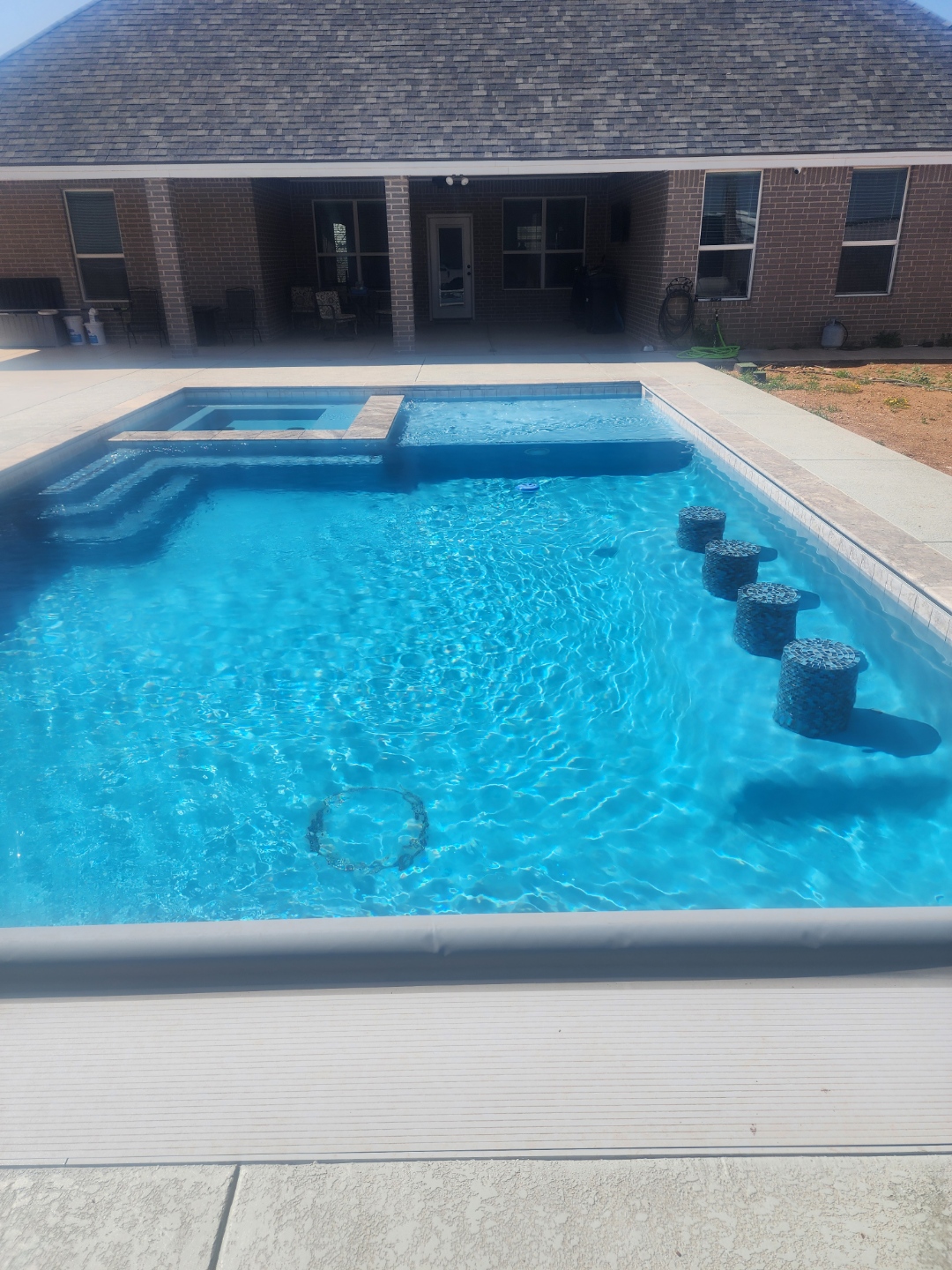
Why the permit matters
A pool permit isn't a formality — it's the city or county confirming your pool meets structural, electrical, plumbing, and safety code before anyone starts digging. That review covers things like pool barriers and fencing, proper drainage so water doesn't run onto a neighbor's property, setbacks from property lines, and utility line locations so nobody hits a gas or electric line mid-excavation.
Building without a permit can mean stop-work orders, fines, and real problems when you go to sell the house — an unpermitted pool is exactly the kind of thing a buyer's inspector flags and a title company asks about. It's not worth the risk to skip it, and a builder who suggests skipping it is a builder to walk away from.
Who actually pulls the permit
This is worth saying plainly:your contractor should be pulling the permit, not you.A licensed pool builder who works in Odessa and Midland regularly already knows the local requirements, has a working relationship with the building department, and can catch a problem in the plans before it becomes a rejected application. If a contractor asks the homeowner to pull the permit themselves, that's a red flag about how the rest of the project will go.
What the process looks like, step by step
1. Site plan and design.Your builder finalizes pool placement, size, and features based on your yard, then draws up the plans the permit application requires — dimensions, materials, location relative to property lines and the house, and how the pool will handle drainage and utilities.
2. Application and review.The plans, application, and fees go to the local building department. They confirm the design meets zoning rules, setback requirements, and safety code. If you're in an HOA, this is also when HOA approval typically needs to happen — some cities specifically ask for proof of HOA sign-off before they'll issue the permit, so don't skip that step even if it feels redundant.
3. Permit issued.Once approved, construction can legally begin. Processing time varies by city, but a few weeks is typical — which is exactly why fall and winter are smart times to start the paperwork for a pool you want swimming-ready by summer.
4. Inspections during construction.A pool build isn't inspected once at the end — it's checked at several stages, commonly including excavation, steel/rebar placement, plumbing, electrical, and a final inspection once everything's complete. Each inspection has to pass before the next phase of work continues, which is one reason an experienced local builder keeps a project moving — they know how to schedule inspections so the crew isn't sitting around waiting.
5. Final approval.Once the last inspection passes, the pool is officially permitted and complete in the eyes of the city. This paperwork matters again down the road if you ever sell the house — a fully permitted, inspected pool is a selling point; an undocumented one is a red flag.
What can slow the process down
A few things reliably add time to permitting and inspections in our area:
HOA review, if your neighborhood has one, running alongside or before city approval.
Site-specific engineering, which caliche soil or a sloped yard can sometimes require.
Incomplete applications— missing site plans or unclear documentation sends things back for revision instead of moving forward.
Peak season timing.Building departments get busier heading into spring, so applications filed in fall and winter often move faster.
None of these are reasons to worry — they're just realities to plan around, and a builder who's pulled permits in Odessa and Midland for years knows how to keep them from becoming delays.
What this means for your timeline
Between permitting and the build itself, a realistic total timeline for a new gunite pool is a few weeks of permitting followed by roughly 8 to 16 weeks of construction, depending on the scope of the project. That's why the conversation about permits should happen at the very start, not after a contract's already signed — it's part of the schedule, not a separate step tacked on.
Let us handle the paperwork
Permits and inspections are exactly the kind of thing you shouldn't have to learn from scratch. Pina Pools has been building — and permitting — pools in Odessa and Midland since the 1970s. We handle the applications, the inspections, and the back-and-forth with the building department as part of every project, so you're focused on picking tile and coping, not chasing down city forms.
Ready to start the process? Get a free, no-obligation estimate, or take a look at our custom pool builds to start picturing your own backyard.
Frequently Asked Questions
Do I need a permit to build a pool in Odessa or Midland, TX?Yes. Texas requires a permit for new inground pool construction, and both cities enforce local building, electrical, and plumbing codes on top of state minimums. Your builder should handle the permit application on your behalf.
Who is responsible for getting the pool permit — me or the contractor?The contractor should pull the permit, not the homeowner. A licensed, experienced local builder already understands the requirements and has a working relationship with the local building department.
How long does pool permitting take?Permit processing commonly takes a few weeks, though it varies by city and by how complete the initial application is. Filing in fall or winter, ahead of the spring rush, often moves faster.
What inspections happen during pool construction?Typical inspections include excavation, steel/rebar placement, plumbing, electrical, and a final inspection once construction is complete. Each stage has to pass before work continues to the next.
What happens if a pool is built without a permit?An unpermitted pool can result in stop-work orders, fines, and complications when selling the home, since it won't be documented as up to code. It's not a step worth skipping.
